The Artist
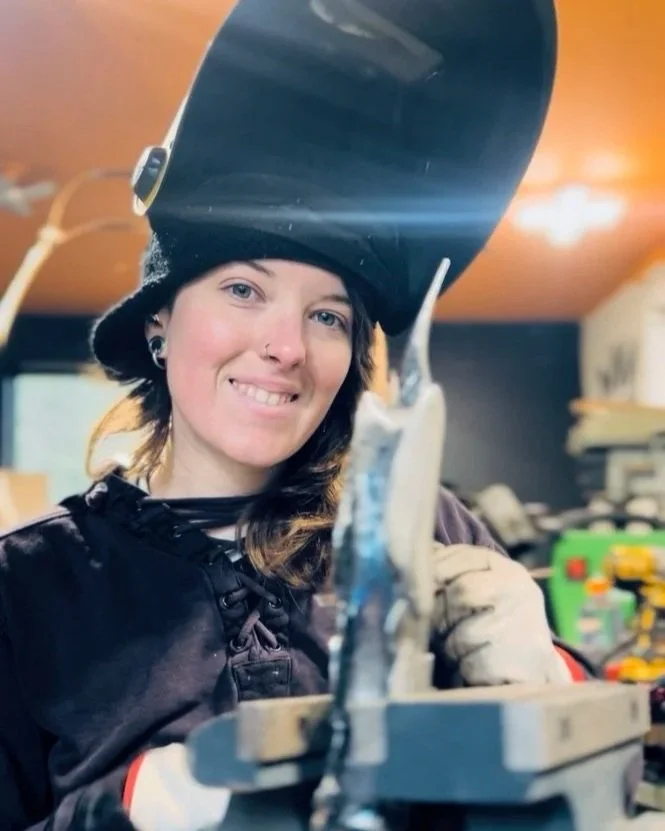
I am a metal sculptor and blacksmith based on Salt Spring Island in British Columbia’s Gulf Islands. My award-winning work draws on a lifetime spent on the Pacific coast — from childhood aboard a whale research vessel in Johnstone Strait to a decade of professional metalwork in welding, blacksmithing, and bronze casting. My sculptures explore marine wildlife, ocean conservation, and the raw beauty of West Coast ecosystems, hand-forged in carbon steel, bronze, and copper.
“My work centres on the quiet tension between fragility and endurance—the elegance of nature, and its relentless ability to adapt and survive in the wake of human impact.”
Early Life
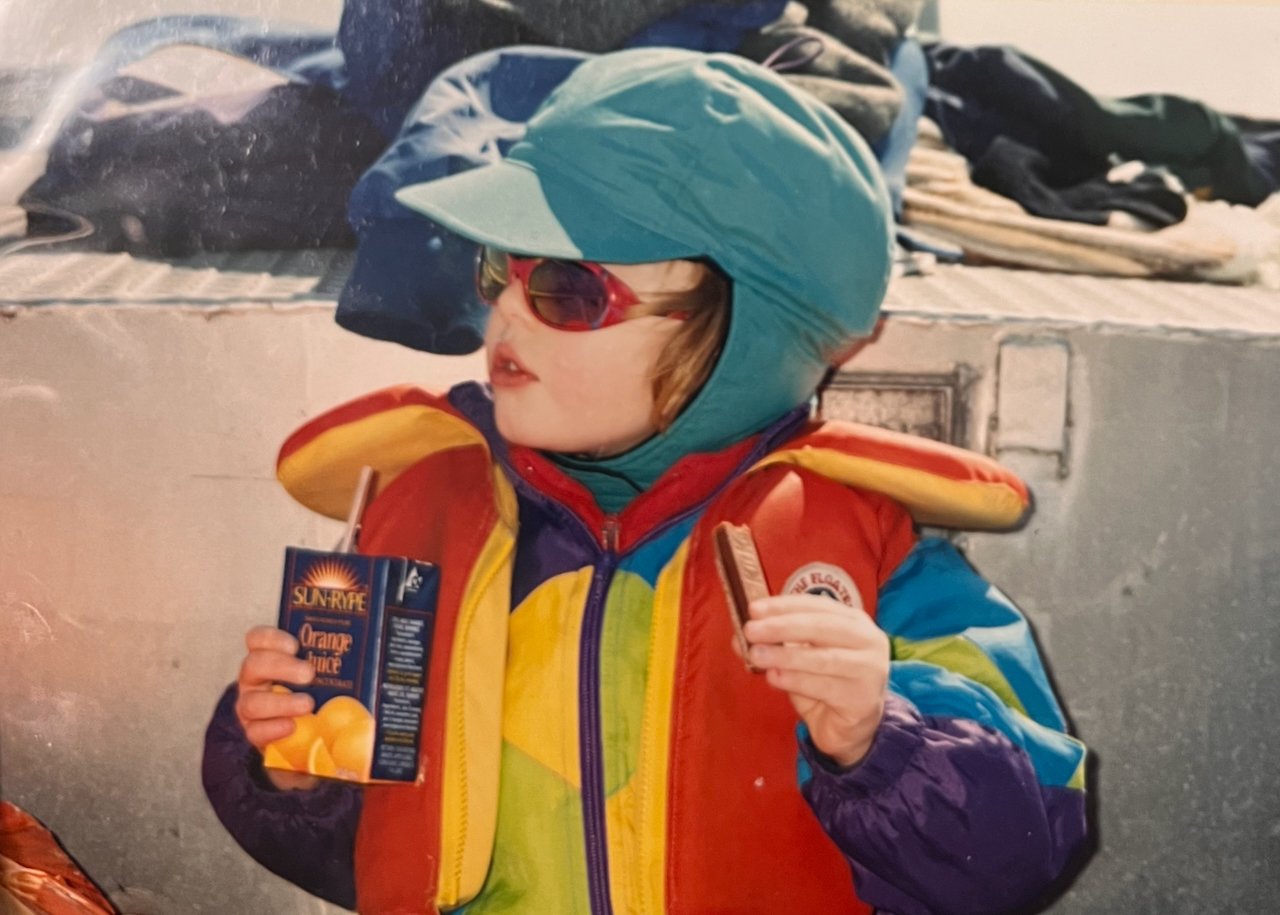
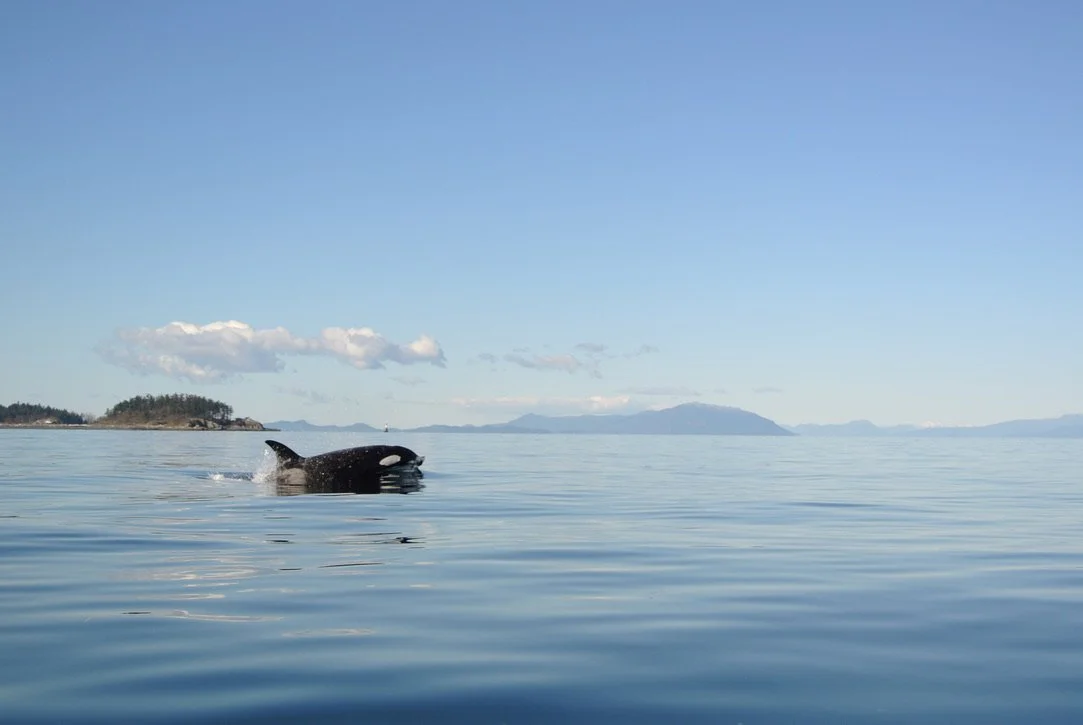
I had a unique upbringing, deeply entangled in the marine world from a very young age. As the daughter of a whale biologist, I grew up immersed in the rhythms of the Pacific, spending spring, summer, and fall aboard our family research vessel in the waters of northern Vancouver Island—particularly Johnstone Strait and near Port Hardy—where days were shaped by the search for killer whales and other marine life.
Living so closely with the ocean instilled in me a deep reverence for the natural world and a lasting commitment to ocean conservation. The vastness of the sea, the quiet patience required to wait for a dorsal fin to surface, and the raw presence of wild animals left a permanent mark on my perspective.
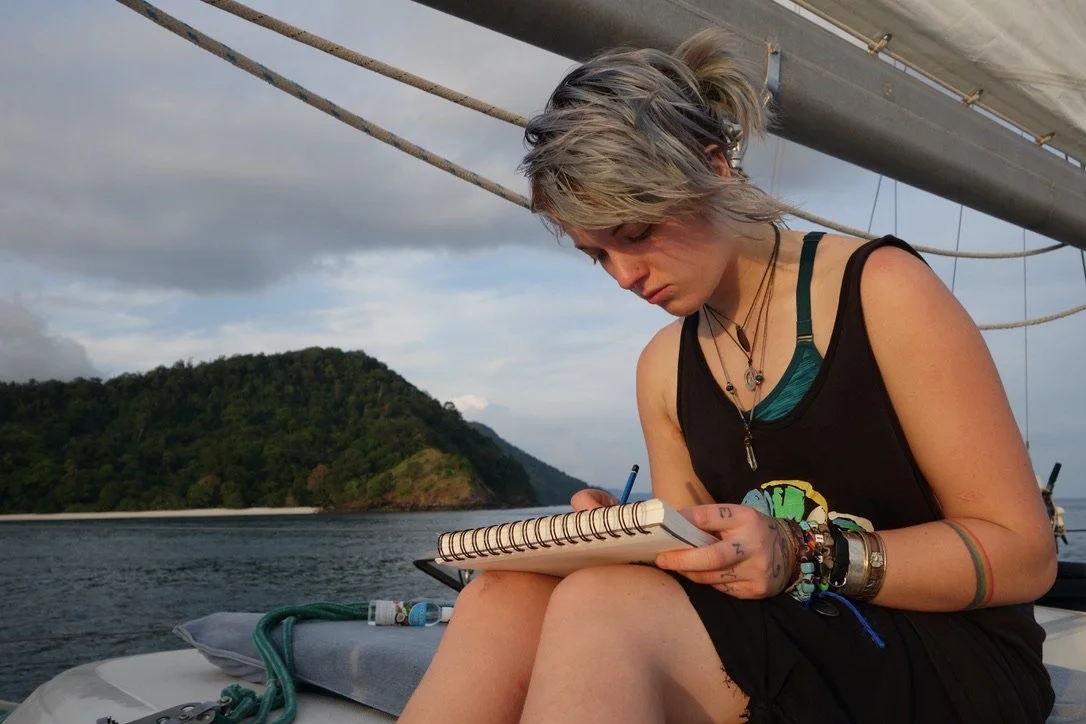
From an early age, I was drawn to arts and crafts. I filled sketchbooks with whales and marine forms, and wrote songs to play on a homemade Kleenex box ukulele. Creativity was never separate from my environment—it was my way of understanding it, honoring it, and staying connected to the wild places that shaped me.
Education & Early Career
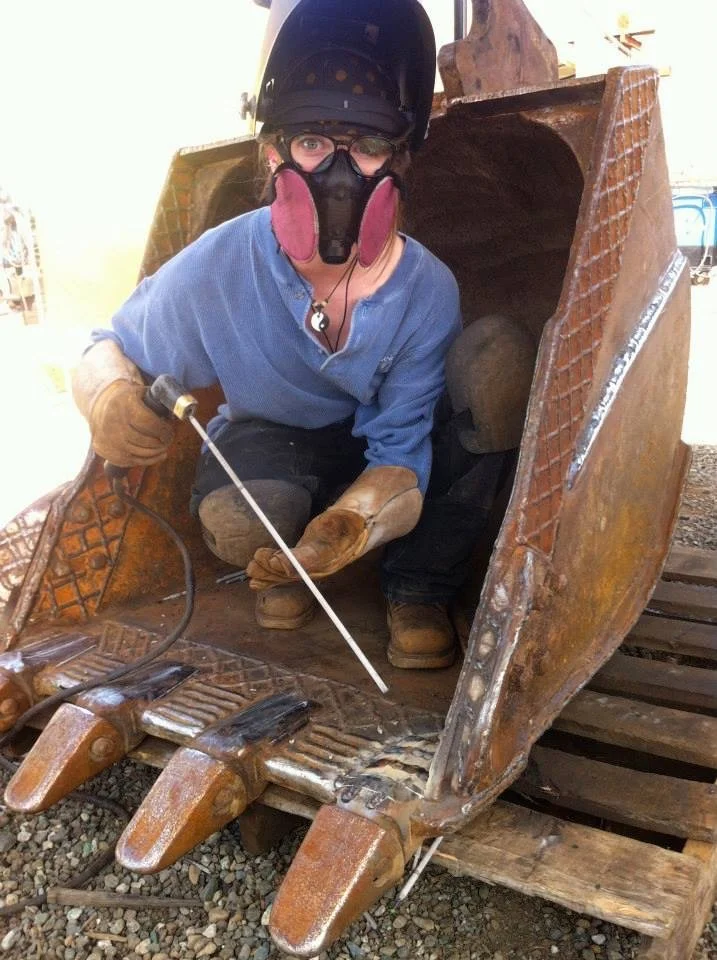
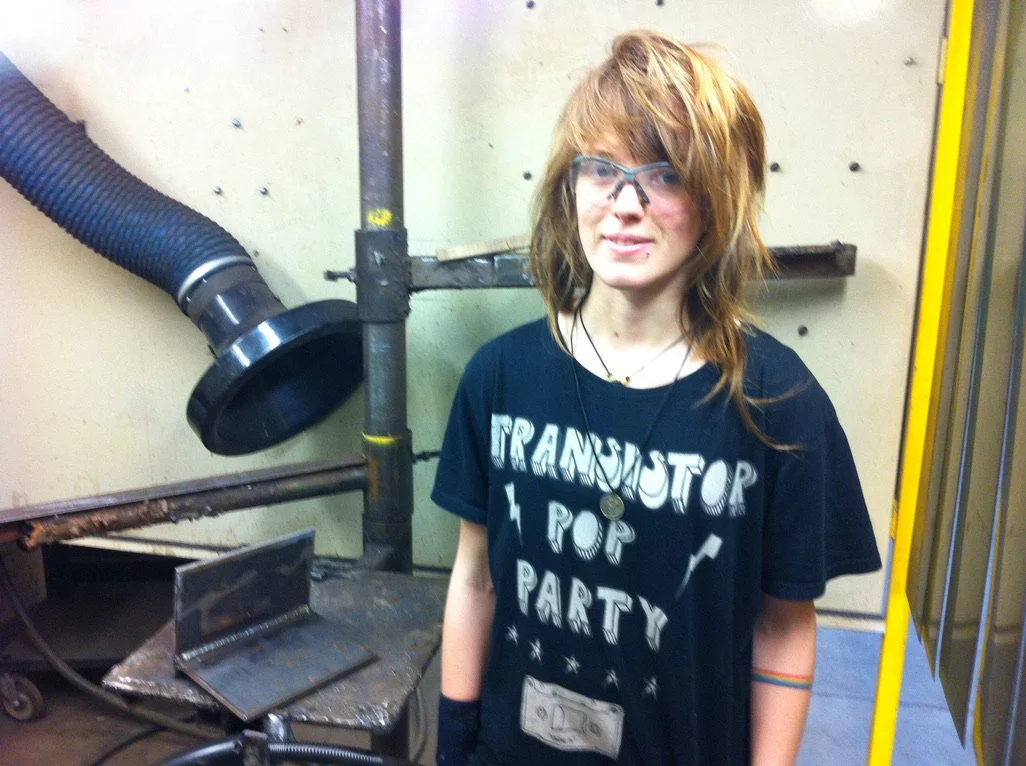
After high school, I made a decision that surprised even me—I enrolled in the welding program at Vancouver Island University without ever having struck an arc. I didn’t know the terminology, the tools, or the trade. I just knew I wanted to work with fire and build things with my hands. That instinct was enough.
I was the only woman in a class of thirty-seven. The environment was technical and structured, but whenever I finished my assigned projects, I would stay in my booth and quietly weld small sculptures. It wasn’t part of the curriculum, and eventually I was caught by my instructor, who deemed sculpting a "waste of materials." Still, those stolen hours made something clear: fabrication was a skill, but sculpture was the calling.
After graduating, I worked in a machine shop in North Vancouver, learning precision and discipline. I later joined Crescent Moon Forge & Ironworks in Victoria on Vancouver Island, where I was introduced to blacksmithing. The forge felt different—older, slower, more alive. I began staying late after work to experiment, shaping hot steel into sculptural forms long after my shift had ended.
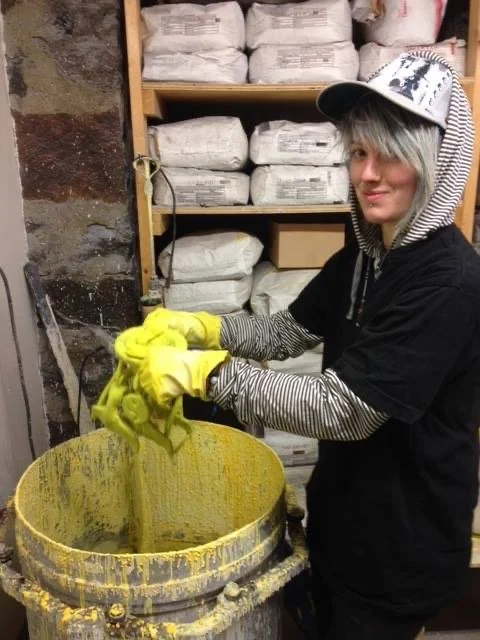
Wanting to fully commit to art, I enrolled in the Sculptural Metal program at Kootenay Studio Arts in Nelson, BC, studying blacksmithing and bronze casting. The training gave me both technical depth and creative clarity.
Building Whale Skeletons
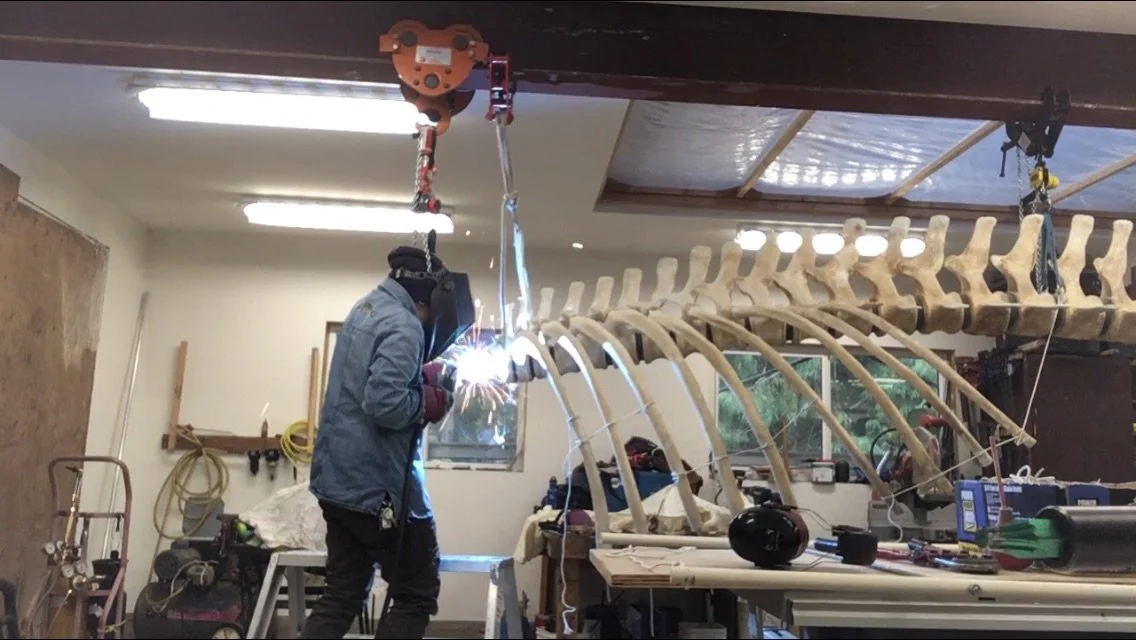
After graduating, I returned to the coast, hungry for salt air and open water. In Victoria, I worked as an artist blacksmith and built a sculpture studio out of a rusted sheet-metal shed behind my rental house—cold in winter, hot in summer, but entirely my own.
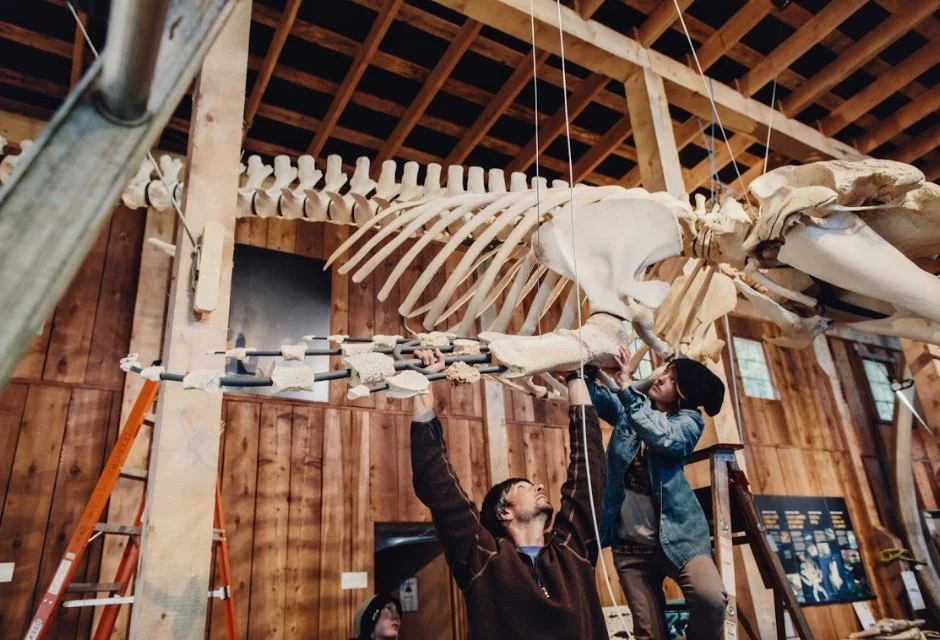
In 2018, I moved to Salt Spring Island to work for Cetacea Contracting to fabricate and assemble whale skeleton armatures for museums around the world. Many of the skeletons I helped build were displayed at the Whale Interpretive Centre in Telegraph Cove before it tragically burned down in 2025. I continue to work on skeleton projects, participating in every step—from collecting bones along remote beaches to installing fully articulated whales.
When I wasn’t building skeletons, I worked in a local bronze foundry, helping cast and finish other artists’ sculptures. Each role sharpened my technical skill, but more importantly, each one deepened my relationship to metal as both material and meaning.
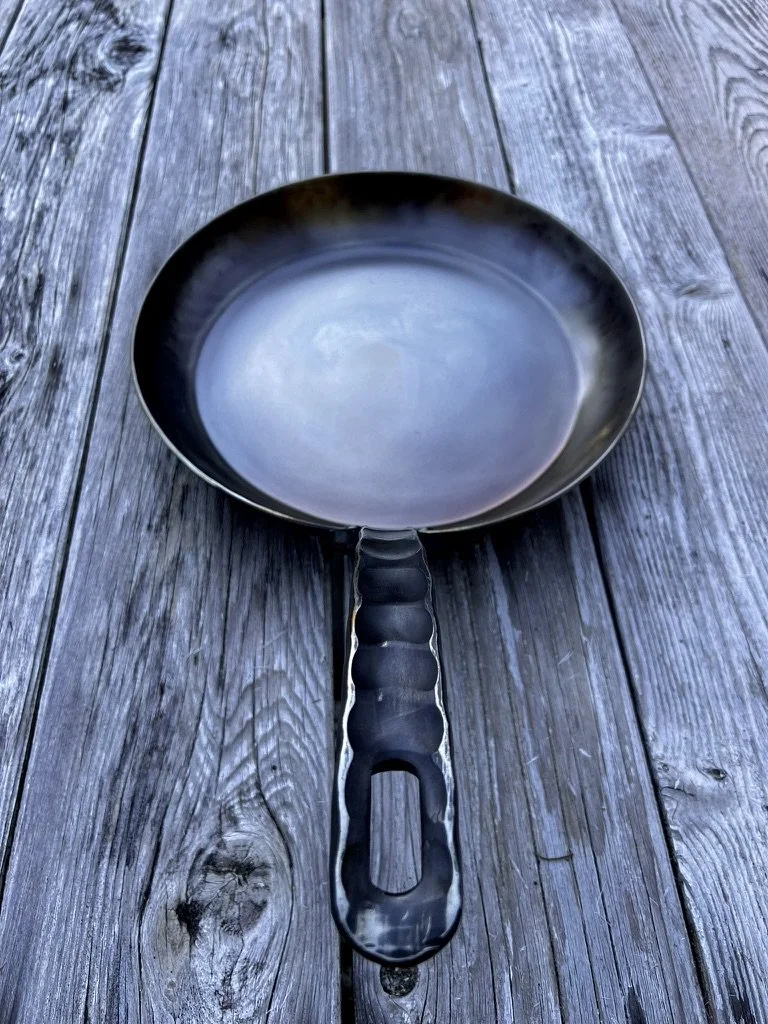
Today, I run a well-established studio on Salt Spring Island, with roots that run deep in the community. My sculptures are available at Gallery 8 on Salt Spring Island, Wilson & Co. Gallery in Ladysmith, and Nova Gallery on Gabriola Island. I have also co-founded Finback Forge, crafting culinary wares alongside my friend Jeri Sparshu of Thistle Rock Forge—an extension of my love for forging that brings functional beauty into everyday life.